Jordan Undergoes Surgery to Check a Breast Lump
Slow BurnJordan Buchanan’s operation to investigate a lump in her left breast turns Kate MacKenna’s attention from her own financial worries to the health of her closest friend. The event moves from a frightened phone call, through an exhausting wait for surgery, to a reassuring report from the surgeon—though Jordan’s reaction to the anesthetic prolongs the ordeal. The operation resolves the immediate fear without supplying a further diagnosis in the scenes surrounding it, and its emotional center is the care Kate offers while she waits beside Jordan.
Discovery and Decision to Be There
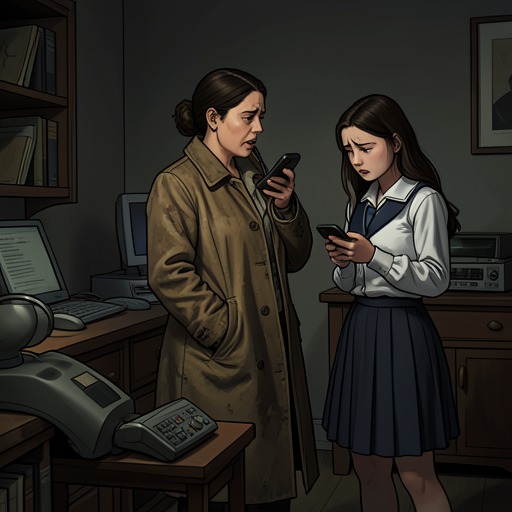
During a phone call, Kate initially thinks Jordan sounds distant. The change comes when Jordan says, “I found a lump.” The short disclosure abruptly displaces Kate’s concerns about the house, bills, and tuition; the conversation is no longer about the family’s financial strain but about what has happened to her friend. When Kate asks where, Jordan answers, “Left breast.”
Jordan has already seen a specialist and undergone tests. Surgery for the biopsy is scheduled for Friday morning, but the surgeon had wanted to perform it the next day. Jordan refused that earlier timing because she wanted Kate to have time to get there. Her question about whether Kate could come carries the fear of someone who does not want to face the procedure without her friend. Kate confirms that she can arrive the following day, and Jordan offers to book her flight and send the times and flight numbers, adding that she will meet Kate at the airport. The plan turns their friendship into practical support: Jordan arranges the journey, while Kate makes clear she will be present.
The Long Wait
At the hospital, Jordan is ready from 6:30 in the morning, but an emergency delays her trip to the operating room until a little after ten. Kate is allowed to stay with her in preoperative care; when Jordan is wheeled away, a young volunteer guides Kate toward the surgical waiting room. The route runs through a maze of corridors, and Kate suspects that the volunteer is uncertain where she is going. They seem to circle back before reaching the waiting area by chance. Even this small disorientation belongs to the scene’s larger uncertainty: Kate can accompany Jordan only so far, then must wait without control over what happens next.
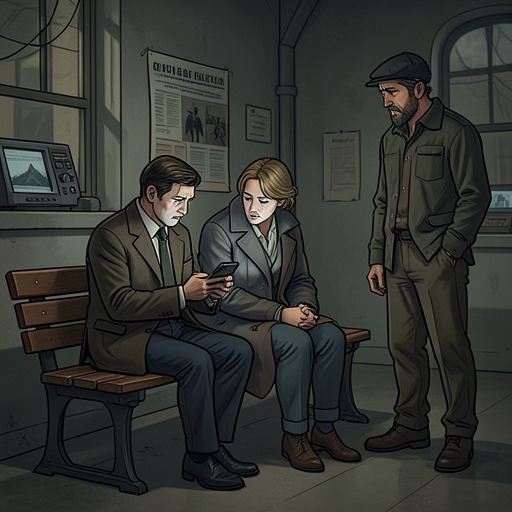
The hospital has two waiting rooms, with a desk and telephone staffed by another volunteer between them. The larger room is packed. After giving her name, Kate goes into the smaller room. Waiting is already difficult for her, and her memories make its human cost visible. She recalls families huddled together for comfort and hope, including a young father sitting with his two little girls as he read to them while they waited to learn whether their mother would live or die. When the surgeon finally gave him good news, he broke down and sobbed.
Kate also remembers an elderly woman who had been sitting alone until Kate and her sisters arrived. The woman was waiting to hear whether her husband of forty years would survive bypass surgery. She kept the sisters company by telling one story after another, speaking so quickly that Kate’s head began to spin. Kate imagines herself with giant cotton balls stuffed in her ears; she recognizes the thought as uncharitable, but the comic image helps her keep smiling through the woman’s relentless talk. The recollections place Jordan’s operation among other families’ anxious waits, while showing how sympathy and irritation can coexist in the same crowded room.
The Surgeon’s News
When a white-haired volunteer calls Kate’s name, she closes her cell phone and puts it in her purse. She sees the surgeon turn toward her and notices that he is smiling. The visual detail precedes the news: Jordan is going to be fine. Kate’s relief is so strong that she feels weak and wants to hug the surgeon. The shift is from fear of a potentially grave outcome to gratitude for reassurance, delivered after hours in which she could do little but wait.
Kate had expected to take Jordan home a couple of hours after the anesthesia wore off. Instead, the surgeon wants to keep her overnight because she has had a very mild reaction to the anesthetic. He says there is nothing to worry about and that the drug should be out of her system by the following afternoon, when she can leave. His reassurance does not prevent Kate from being startled by what she sees when she reaches Jordan: Jordan’s face and arms are covered in welts, she is intensely itchy, and her skin is red. The immediate outlook is reassuring, but the visible reaction makes the aftermath less comfortable than Kate had expected.
Relief, Care, and the Comic Aftermath
Kate responds to Jordan’s appearance with the familiarity of a best friend. She takes out her cell phone, which has a built-in camera, and photographs Jordan so she can tease her about it later, perhaps by making the picture a screen saver on her computer. The gesture does not undo the discomfort or the overnight stay; it gives their friendship a small, playful future beyond the hospital room. The event ends not with a reported biopsy result, but with the surgeon’s assurance that Jordan will be fine, a temporary stay prompted by the anesthetic reaction, and Kate’s promise of affectionate torment. Its emotional movement rests on that contrast: the frightening possibility announced over the phone gives way to the ordinary intimacy of a friend who can finally make a joke because the immediate crisis has eased.